Natural Treatment for Facial and Ocular Rosacea
-
What is Rosacea-Ltd?
Rosacea-Ltd IV is an all-natural, patented facial and ocular rosacea treatment that limits the effects of rosacea on skin. Our product works by reducing facial redness, vessel dilation, seborrheic dermatitis, adult acne pimples, and rosacea papules. Our current product is the ‘fourth generation’ of Rosacea-Ltd, representing a culmination of 25 years of work.
-
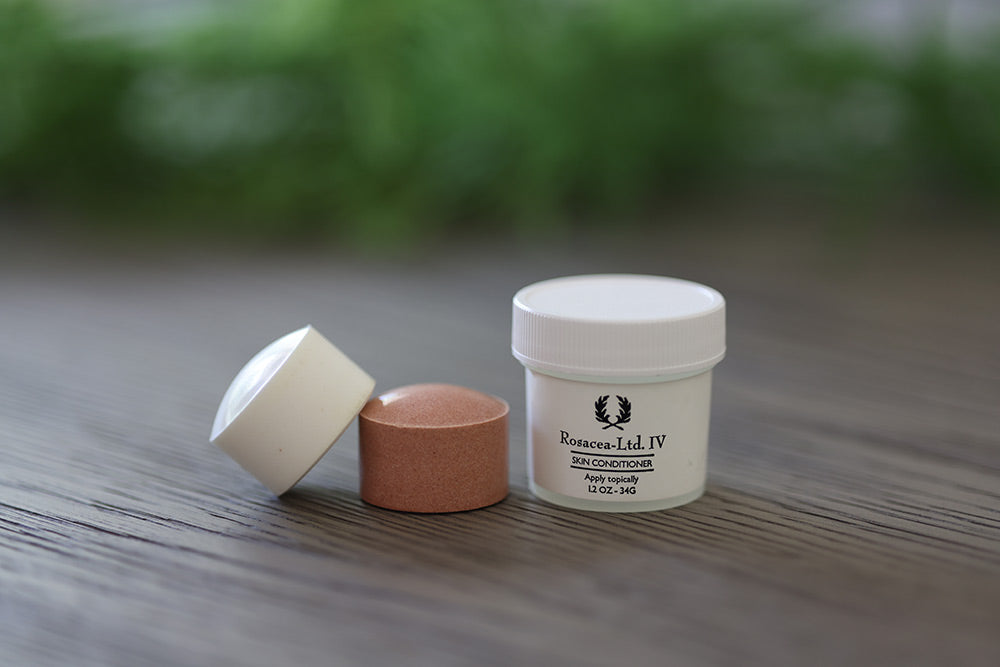
Rosacea -LTV IV - All Natural Rosacea Treatment
Order Online Now -
Rosacea-Ltd Guarantee
Rosacea-Ltd IV is guaranteed to improve the appearance of rosacea, ocular rosacea, acne rosacea and seborrheic dermatitis. If it doesn’t work for you, you get 100% of your money back. Overall, 98% of Rosacea-Ltd IV patients confirm a noticeable improvement in facial redness, dilated facial vessels and rosacea-related papules. With Rosacea-Ltd, the effects of rosacea on your life can finally be limited.

Compare Rosacea-Ltd IV with Your Past Rosacea Treatments
- We provide a risk free 100% refund policy.
- Our Dermatology Research team, with 83 years of collective research has determined rosacea is the result of an immune system malfunction which you can learn more about on our Rosacea Cause & Cure page.
- Use of Rosacea-Ltd IV treatment produces NO adverse side effects – just customers worldwide who are healthier and happier with the appearance of their skin since 1997 when Rosacea-Ltd was first sold. Bass & Boney Pharmaceuticals, Inc. has been in the business of rosacea research since 1983.
- Rosacea-Ltd IV is safe while pregnant and breast feeding.
- Rosacea-Ltd has secured Medical Patents in 195 countries.
- One Rosacea-Ltd IV disk will normally last at least 12 months.
- U.S. Customers: Reasonably priced at $98.00 or $0.27 per day which includes two Rosacea-Ltd IV disks, instructions tailored to your specific rosacea concerns, and delivery to you 5-7 business days in the U.S. orders are shipped priority mail.
- International Customers Only: pricing still reasonable at $130.00 which includes two Rosacea-Ltd IV disks, instructions tailored to your specific rosacea concerns, processing and Federal Express Shipping and will normally arrive within 2-3 weeks in most countries.
- Rosacea-Ltd is made in the U.S.A., vegan and never tested on animals.
What is Rosacea LTD
-
25+ Years of Research
We have been in business over twenty years, maintaining an complying with strict guidelines set by the U.S. Food and Drug Administration. We have remained a disruptor in the Rosacea skin care market, hosting a free repository of information for the public and providing our customers – with personalized letters of instruction.
-
All Natural Treatment
Rosacea-Ltd IV’s gentle ingredients produce no negative side effects. Rosacea-Ltd IV is a natural rosacea treatment that has improved the symptoms of facial and ocular rosacea for thousands of patients internationally over the past 2 decades. Our treatment is a safe and effective for those with sensitive skin and women who are pregnant or nursing.
-
Easy Application
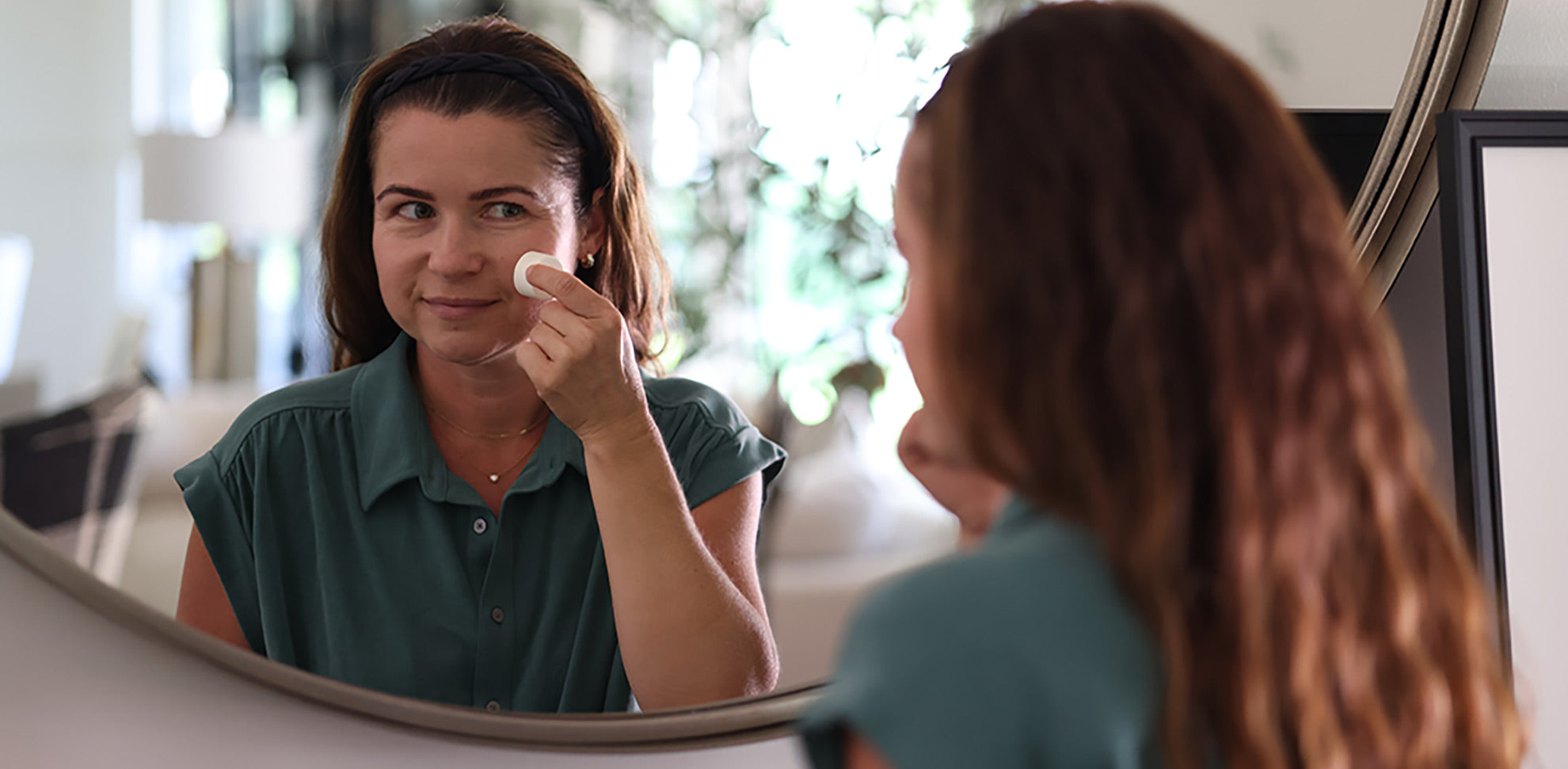
Rosacea-Ltd IV is not another green tinted cover-up mask. Rosacea-Ltd IV contains more than 99% undiluted natural ingredients. The mineral ingredients are easily and quickly absorbed into the skin for a completely invisible application. The minerals penetrate the skin and migrate – meaning you do not need to directly touch every affected spot.
-
Rosacea Lifestyle Changes
Rosacea Lifestyle changesSimple changes to your lifestyle can help improve rosacea symptoms
-
Rosacea Triggers
Rosacea Redress & BlushingMany patients that suffer from rosacea have specific triggers.
-
FDA Disclaimer
The information on this website has not been evaluated by the Food & Drug Administration or any other medical body. We do not aim to diagnose, treat, cure or prevent any illness or disease. Information is shared for educational purposes only.
The contention this site is not intended to be a substitute for professional medical advice, diagnosis, or treatment. Users should not disregard, or delay in obtaining, medical advice for any medical condition they may have and should seek the assistance of their health care professionals for any such conditions.
You must consult your doctor before acting on any content on this website, especially if you are pregnant, nursing, taking medication, or have a medical condition.